TRAIN STATIONS
Passive Fire Protection for Train Stations
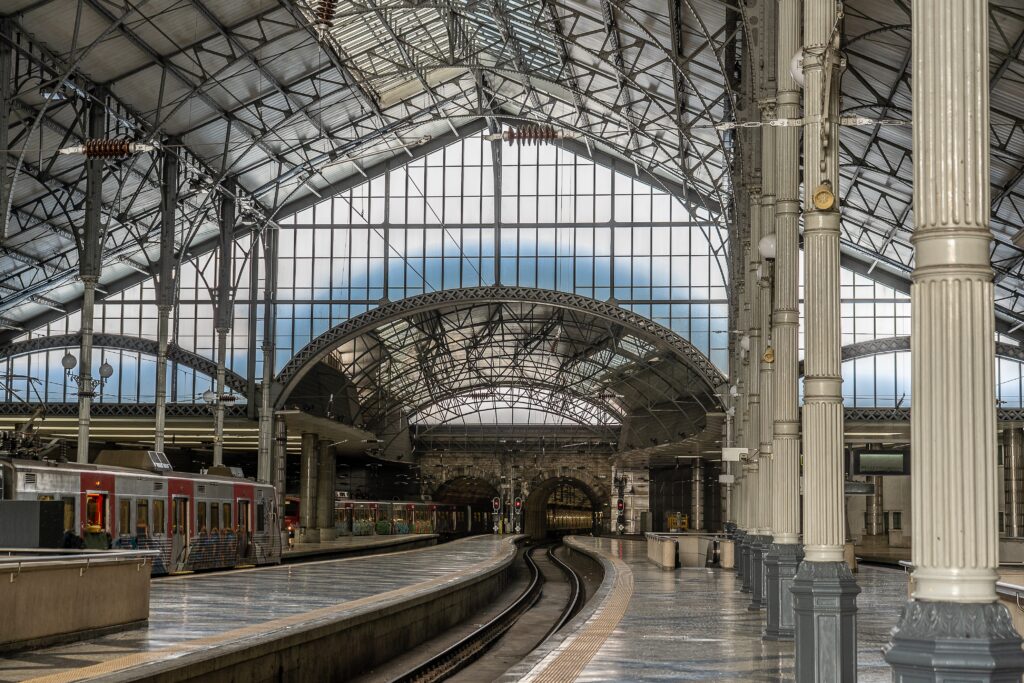
Station buildings combine public areas, plant and service routes, often in a working railway environment. DC Fire Protection carries out fire stopping, barrier installation and remedial works at train stations, with access and site requirements agreed in advance.
Agree access and working hours early
Tell us when the work area can be accessed, the hours available and any permits or inductions your site requires. These requirements shape the programme, so they should be discussed at the enquiry stage.
Work around the public
Stations stay in use while work goes on. Explain which areas must remain open, any restricted zones and how deliveries and materials are handled, so the installation can be planned around passengers and staff.
Records for handover
Agree the documentation your team needs and how it will be handed over. Bolster supports the way we organise installation records, with the arrangements confirmed before work begins.
Plant rooms, service routes and concealed spaces
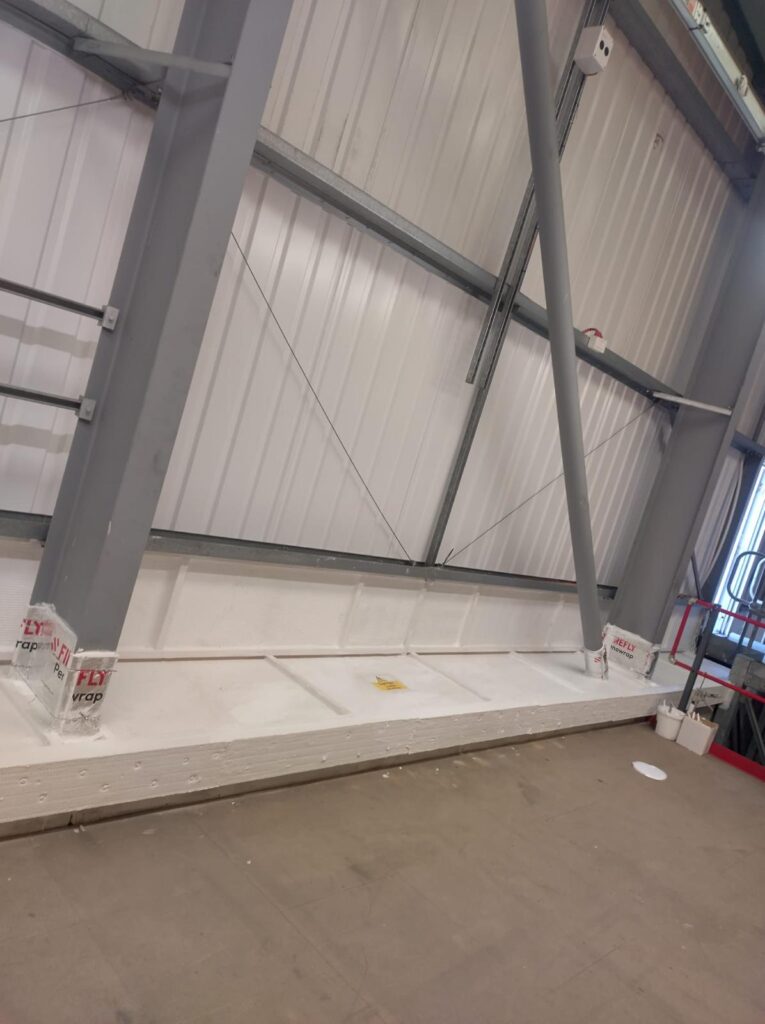
Stations have plant rooms, cable and pipe routes and roof or ceiling voids where passive fire protection matters. Send the drawings, report or specification you hold and tell us where the station is. We can discuss the scope and what is needed next.
How a station enquiry works
- Tell us about the building and what you need
- Send the drawings, specification or report you have
- Agree the scope, access and programme
- Carry out the work and provide the agreed records
Services for train stations
Fire stopping and compartmentation
Installation and remedial work at openings and junctions.
Fire barriers and cavity barriers
Passive barrier installation for concealed spaces.
Remedial fire protection works
Putting right passive fire protection issues in existing buildings.
Have a station project to discuss?
Send the station location, programme and whatever drawings, report or specification you have. We will tell you what else we need to discuss the scope.